Bay Area Date of Death Appraiser
›
Richmond Date of Death Appraisal
›
Historical Appraisal
Richmond's History Can Be Part of the Valuation Evidence
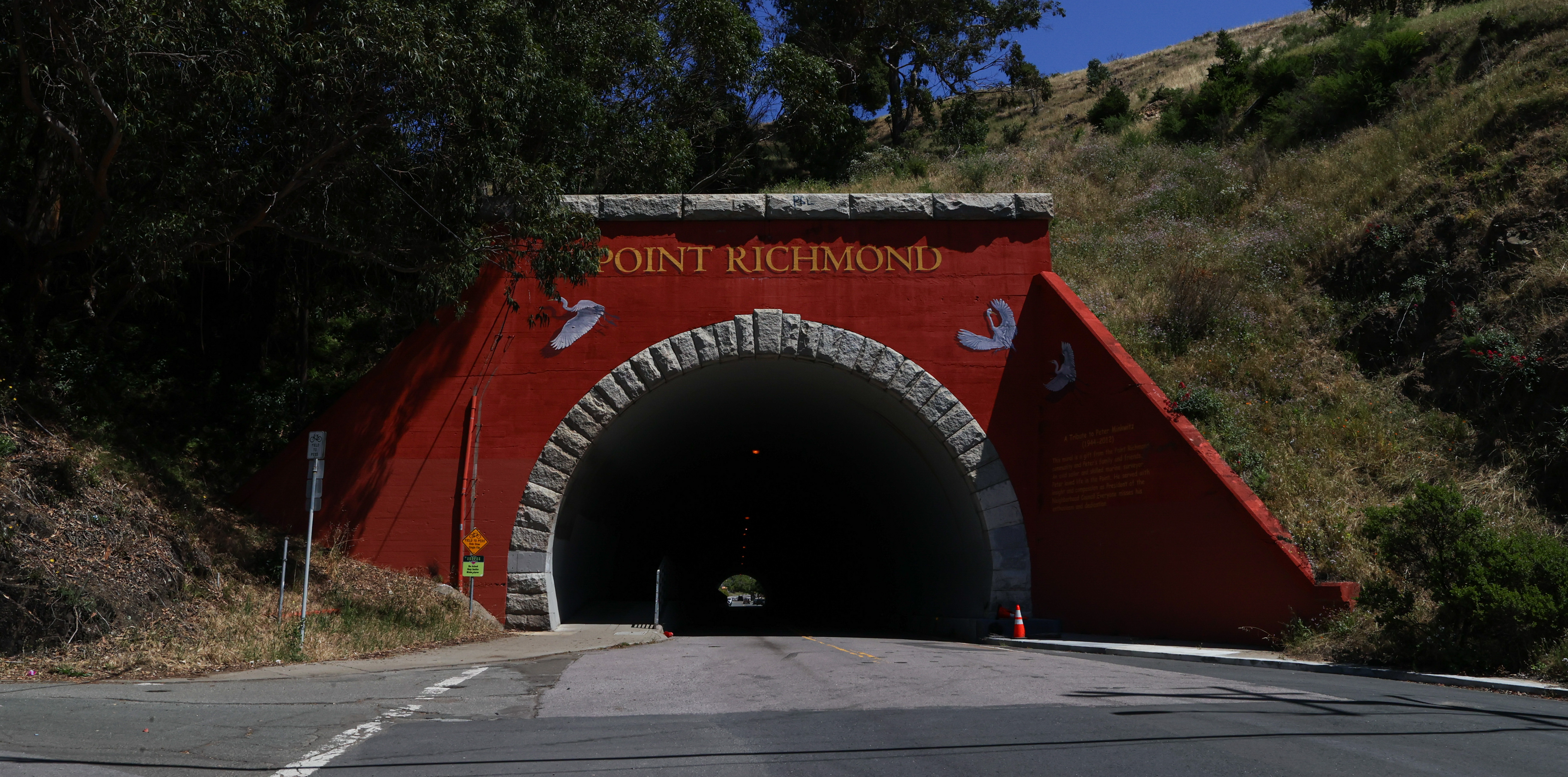
Richmond grew through several very different eras, and those eras left distinct residential patterns. Point Richmond was one of the city's earliest communities. The waterfront became central to wartime shipbuilding, and Richmond now contains the Rosie the Riveter World War II Home Front National Historical Park and more than twenty related historic places of interest. Later decades brought suburban expansion, the Hilltop area, freeway changes, and the redevelopment that created Marina Bay. For a very old effective date, the appraiser may need to understand which version of Richmond existed before deciding what sales or neighborhoods were comparable.
A Historic Address May Have Changed Even When the Building Survived
Older properties can accumulate layers of alteration that are invisible in a current database. A home may have been expanded, reconfigured, re-sided, converted, or substantially remodeled. Point Richmond illustrates why documentary research can matter. The City maintains a historic register identifying many district-contributing properties, and individual historic-resource files can contain descriptions, permits, and photographs showing how buildings changed over time. The appraisal does not assume every old house is historically significant. It uses available records to determine whether the present structure is a reliable representation of the property on the requested date.
Wartime and Postwar Context Can Change What Counts as a Comparable
A valuation tied to the 1940s, 1950s, or another early period cannot simply use today's neighborhood boundaries and housing hierarchy. Richmond's wartime population growth, shipyard activity, industrial employment, and later postwar development changed both the housing stock and the geography of demand. The appraiser may need to review historical maps, assessor records, old listings, recorded documents, and other period sources to understand what residential alternatives were available. A neighborhood that is considered established today may have been newly developing or differently connected to employment and transportation at the historical date.
Marina Bay Did Not Always Exist as Today's Waterfront Community
The City describes Marina Bay as a redevelopment of the old Inner Harbor Basin and former wartime shipyard area, with the master-planned waterfront community beginning in the mid-1970s. That makes the effective date critical. A valuation from before the redevelopment cannot treat today's residences, parks, marina, promenades, or later amenities as part of the buyer's environment. Even within the redevelopment period, the appraiser may need to determine which phases and projects were complete. Historical neighborhood reconstruction sometimes matters just as much as reconstructing the subject building.
Transportation Records Can Date a Neighborhood Advantage
Richmond's BART station opened in 1973, while the Richmond ferry terminal did not open until 2019. Those dates provide clear examples of why access should be tied to the historical period. An older appraisal should not describe later transportation choices as though they were available to the earlier buyer. The same logic applies to road changes, redevelopment, and commercial activity. When an amenity or access feature is central to a property's present appeal, the appraiser should verify whether it existed and functioned in a comparable way on the effective date.
Old Sales Often Need to Be Investigated Like Historical Documents
A database record may preserve the price and closing date while losing the facts that explain the transaction. The sale could have involved a major renovation, a tenant, an unusual condition, a view premium, a compromised location, or financing terms that are no longer visible. The older the transaction, the more important it can be to cross-check later resales, permit records, assessor data, archived advertisements, photographs, or other sources. A sale with limited documentation may still help establish a range, but it should not be treated as equally reliable to a transaction whose characteristics can be reconstructed.
The City Map Itself Can Be an Archival Source
Richmond's current planning materials distinguish residential neighborhoods, industrial and port areas, major corridors, activity centers, shoreline areas, hillside conditions, and hazard zones. Older planning maps and historical records can help show when those relationships changed. For an appraisal, the purpose is not to perform a planning study. It is to determine whether today's apparent proximity means the same thing historically. A home that now benefits from a completed project, changed road network, or matured neighborhood may have occupied a different competitive position decades earlier.
Shoreline Property Records Can Carry a History of Their Own
Some Richmond shoreline areas require attention to recorded documents as well as physical history. The City identifies multiple deed-restricted areas in Marina Bay that are subject to land-use covenants and related state oversight. That does not mean every Marina Bay property has the same restriction or that a restriction automatically changes value. It does mean that older appraisal work can require parcel-specific record research. The appraiser should determine what was recorded against the subject, when it applied, and whether market participants appeared to react to it during the historical period instead of making a neighborhood-wide assumption.
Very Old Appraisals Need More Explicit Assumptions
The historical record is never perfect. A photograph may prove that an addition existed but not reveal its interior quality. A permit may show when work was approved without proving exactly when it was completed. An old sale may have limited condition information. The report should distinguish facts from reasonable assumptions and explain how uncertainty affected the analysis. Transparency is especially important when the effective date is far in the past because future readers need to understand not only the estimate of value, but also the evidence that survived and the gaps that could not be filled.
Historical Research Is Strongest When Several Independent Clues Agree
One record rarely solves an old appraisal by itself. A permit can date an addition, an old listing can show interior finish, an assessor record can confirm reported area, and a later resale can reveal whether the basic configuration persisted. When those independent clues point to the same conclusion, the appraiser can reconstruct the property with more confidence. When they conflict, the report should say so. The value analysis is strongest when the historical story is built from multiple pieces of evidence rather than from a single surviving database field.
For probate, estate settlement, trust administration, IRS reporting, and stepped-up basis
purposes in this area, see the main
Richmond date of death appraisal page
or the broader
James Valdez appraisal service areas.
Other Richmond Appraisal Services