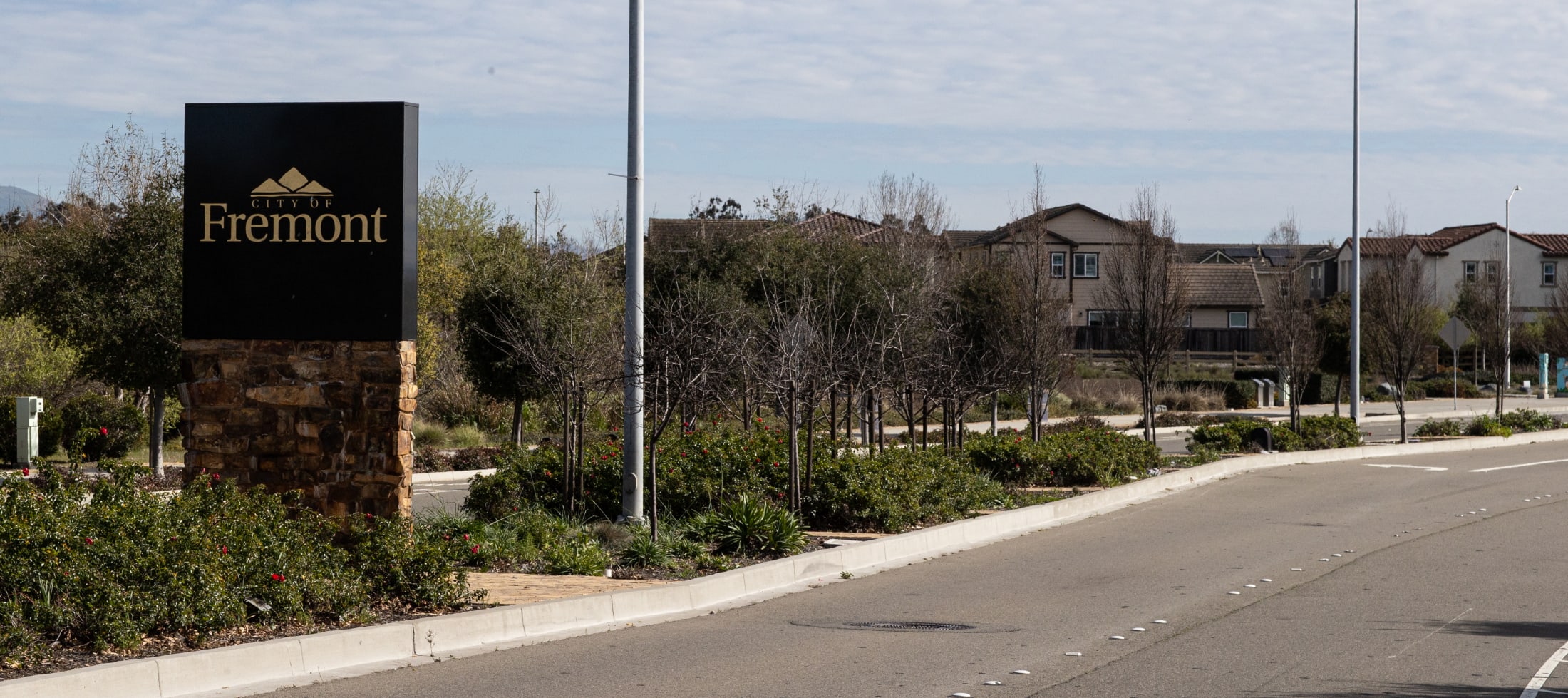
Fremont California Date of Death appraisal services

Fremont Date of Death Appraiser

Certified Date of Death appraisal specialist serving Fremont, Mission San Jose, Ardenwood, Niles, Irvington, Warm Springs, Centerville, and surrounding Alameda County communities.

If you need a Date of Death appraiser in Fremont or a Fremont date of death appraisal, I provide retrospective real estate appraisals to determine the fair market value of a property as of the date of death. These reports are commonly used for probate, estate settlement, trust administration, IRS reporting, and establishing the stepped-up tax basis of inherited real estate.

Need a Date of Death appraisal in Fremont?
📞 (510) 828-5876 | ✉️ jameskvaldez@gmail.com

Specializing in retrospective appraisals for probate, estate settlement, trust administration, and IRS reporting.

Date of Death Appraisals in Fremont

A Fremont date of death appraiser determines the value of real estate as of a specific prior date, most commonly the date of death. A date of death appraisal in Fremont is often needed for estate settlement, probate, trust administration, IRS reporting, and step-up basis documentation.

Whether you are searching for an estate appraisal in Fremont, probate appraisal in Fremont, or a retrospective appraisal in Fremont, the goal is to produce a well-supported opinion of value based on market evidence from the effective date. You can also learn more about my Fremont estate valuation services here.

My Approach to Fremont Date of Death Appraisals

Fremont is not one uniform residential market. It is a large city with several distinct neighborhood segments, physical barriers, school-driven buyer preferences, railroad and freeway influences, older tract neighborhoods, newer planned developments, hillside areas, large condominium communities, and pockets where small location features can change how a property competes.

My appraisal process emphasizes comparable sales research, paired sales analysis, and market-extracted adjustments via paired sales. This is especially important in Fremont because two properties can appear similar by size, age, and bedroom count, but compete differently because of railroad proximity, freeway adjacency, school influence, park adjacency, trail adjacency, condominium concentration, hillside views, or neighborhood identity.

In a retrospective appraisal, the analysis must reflect how buyers reacted to those differences as of the date of death, not simply how the market appears today.

Fremont Market Characteristics

Fremont can be difficult to appraise because its neighborhoods are often divided by physical features such as Interstate 880, Interstate 680, railroad tracks, Alameda Creek, flood-control corridors, the Hetch Hetchy Aqueduct corridor, hillside terrain, and major arterial streets. These features do not affect every property the same way, but they can influence buyer reaction and comparable sale selection.

The city also has a varied housing stock. Some areas are dominated by older ranch-style homes on R-1-6 lots, while other areas include planned development zoning, condominium and townhouse communities, duet-style homes, three-story newer attached housing, historic neighborhoods, hillside estates, and large high-density condo segments. Because of this, the best comparable sale is not always the closest sale. The best comparable sale is the one that reflects the subject's buyer pool, property type, location influences, and market position as of the effective date.

Ardenwood, Railroad Influence, and Freeway Adjacency

Ardenwood, located below Union City and near Ardenwood Historic Farm, includes mostly newer residential neighborhoods along with condominium communities. This area is heavily influenced by planned development zoning and can require careful comparable selection because not all attached and detached segments compete the same way.

Railroad tracks pass through Ardenwood and create a meaningful market division between portions of the area. The tracks can separate east and west neighborhood segments and may require paired sales analysis when a property is adjacent to, or meaningfully affected by, railroad proximity. Freeway adjacency is another recurring issue in Ardenwood, and properties near Interstate 880 or other major transportation corridors may not compete the same as interior neighborhood locations.

Alameda Creek adjacency may also require analysis depending on the specific property setting, privacy, access, trail influence, and buyer perception. In some cases, adjacency to open space or creek corridors may be viewed positively; in other cases, access, noise, flood perception, or reduced usability may affect buyer reaction.

Lakes and Birds Neighborhoods

The Lakes and Birds neighborhoods are located north of the Ardenwood area, with the Lakes generally north of Alvarado Boulevard and the Birds generally south of Alvarado Boulevard. These areas include mostly planned zoning, but also contain R-1, R-1-6, and R-1-10 zoning in certain sections.

The Lakes area includes some duet-style homes that can be easy to misread if the property type is not recognized early in the comparable selection process. These homes may have a simple rectangular architectural style and do not always compete the same way as typical detached single-family homes or more conventional attached housing. When a subject is one of these properties, the comparable search may need to be adjusted, or paired sales may be necessary to determine how the market reacted to that specific design and ownership structure.

The Birds area also includes railroad influence in some locations. As with Ardenwood, railroad proximity may require paired sales analysis because buyer reaction can vary depending on distance, noise, crossing patterns, lot orientation, and whether the property backs directly to the rail corridor.

Northgate, Cabrillo, and Northwest Fremont

Northgate includes slightly older ranch-style homes, some newer built communities, and a few condominium complexes. Zoning includes planned development areas as well as R-1-6 and R-1-10 segments. This area can involve park adjacency, school adjacency, creek adjacency, freeway adjacency, and neighborhood-position adjustments.

Cabrillo is generally an older, flatter residential area with mostly R-1-6 zoning. It includes freeway adjacency, busy street influence, school adjacency, park locations, and trail adjacency near Cabrillo Trail Park. Most of this area does not involve view influence, so external factors such as traffic, freeway proximity, school proximity, and trail or park adjacency can become more important than topography or views.

There is also a small condominium segment near Balboa. When comparing these properties with surrounding single-family homes or other attached housing, the analysis must account for property type, density, ownership structure, and buyer expectations.

Centerville and Mixed Residential Influence

Centerville has a more mixed-use and transitional character than some other Fremont neighborhoods. The area includes older single-family homes, condominium communities, multifamily properties, commercial influence, industrial adjacency, railroad proximity, freeway influence, and zoning that may shift from R-1-6 to R-2, R-3-23, or other higher-density residential designations.

Because of this, Centerville can require careful market segmentation. A property located near commercial uses, railroad tracks, multifamily housing, or freeway influence may not compete the same way as a more protected single-family residential location. Paired sales can be useful when determining whether buyers recognized a measurable difference for commercial adjacency, railroad adjacency, density, or neighborhood transition.

Glenmoor, Sundale, Blacow, and Grimmer

Glenmoor is largely an R-1-6 residential area, but it includes several location factors that may require analysis, including busy street adjacency, freeway adjacency, school adjacency, and adjacency to a man-made flood-control or runoff corridor. These features may affect privacy, noise, buyer perception, or lot utility depending on the specific property.

Sundale is also largely R-1-6, with some planned development zoning. One distinctive feature is the Hetch Hetchy Aqueduct corridor, which cuts through portions of Fremont. In some situations, adjacency to this corridor can be a positive influence because properties may have no immediate rear neighbor and may benefit from additional separation or perceived openness. This type of feature should not automatically be treated as positive or negative; the appraiser must analyze how buyers reacted to the specific setting.

Blacow and Grimmer include many of the same central Fremont issues, including R-1-6 housing stock, freeway adjacency, school adjacency, busy street influence, creek influence, power line views, and power line adjacency. These areas often blend into each other and into Irvington, making neighborhood boundary recognition and buyer pool analysis important when selecting comparable sales.

Irvington and Higher-Density Residential Segments

Irvington differs from some surrounding Fremont neighborhoods because it includes R-1-6 areas, higher-density residential zoning such as R-3-18, condominium communities, commercial influence, older homes, and newer three-story townhome-style developments with limited yard area. Some older areas also include higher-density or older residential zoning patterns that may not compete directly with nearby tract housing.

Irvington also includes freeway adjacency, commercial adjacency, railroad track adjacency, and a mix of older and newer development. Some portions include homes that are more than 100 years old, while other areas include newer attached or townhouse-style housing. Because of this, the appraiser must determine whether the comparable sales reflect the subject's actual market segment rather than relying only on proximity within the Irvington name.

Mission Valley, Kimber-Gomes, and Hillside Transition Areas

Mission Valley includes older, mostly ranch-style homes, busy street influence, some freeway adjacency, park adjacency, and a transition toward hillside influence. Zoning may include R-1-X-6.5, R-1-6, and condominium segments. As the market begins to shift toward the hills, small differences in topography, view potential, and neighborhood setting can matter more.

Kimber-Gomes includes hillside transition areas, park adjacency, busy street influence, and planned development segments. Some properties benefit from having no rear neighbors or adjacency to open space or non-residential land, which can be a positive feature depending on privacy, view, and usability. These properties can require careful paired sales analysis because their appeal may not be fully captured by standard size, age, or condition adjustments.

Niles, Historic Character, and Railroad Segmentation

Niles is one of Fremont's more distinctive and difficult areas to appraise. It includes historic character, older homes, condominium communities, railroad adjacency, water adjacency, possible water views, planned zoning, R-1-6 areas, R-1-8 HOD zoning, and small micro-neighborhoods with varying buyer appeal.

The railroad tracks and neighborhood layout can segment the area, and not all Niles properties compete the same way. Some buyers are drawn to the historic identity and village-like character, while other properties may be affected by rail proximity, traffic patterns, older improvement design, or mixed property types. For Date of Death appraisal work, this means the appraiser must analyze how buyers reacted during the relevant historical period rather than assuming all Niles sales are interchangeable.

Cherry-Guardino and Large Condominium Segments

Cherry-Guardino helps connect Niles with the rest of Fremont and includes planned zoning, some residential zoning, and very large condominium communities. In some areas, condominium complexes span multiple blocks and create a distinct attached-housing market segment that should not be blended casually with detached single-family residential neighborhoods.

When the subject property is located in or near one of these large condominium segments, the comparable search must reflect property type, project influence, ownership structure, HOA characteristics, density, parking, location within the complex, and buyer expectations for that segment.

Mission San Jose, Weibel, and Higher-Value Hillside Segments

Mission San Jose is one of Fremont's strongest residential market segments and includes hillside properties, trail adjacency, premium school influence, and higher-value homes. Near Ohlone College and the surrounding hills, properties may include significant views, hillside orientation, larger lots, and estate-style appeal.

Cameron Hills creates additional view and hillside influence, although not all views have the same market value. Some views may include industrial or freeway orientation, while others may offer stronger hill, valley, or open space appeal. In these situations, paired sales analysis can help determine whether the market recognized a positive, neutral, or negative impact.

Weibel is closely associated with the Mission San Jose market and often shares similar buyer expectations, pricing, school-driven demand, and hillside or higher-value residential characteristics. Comparable selection in this area must account for the strength of the school-driven market, property type, condition, lot utility, and view or hillside influence.

Vineyard Avalon and Smaller Hillside Areas

Vineyard Avalon is a smaller hillside-oriented area where properties may benefit from views, privacy, and in some cases no immediate rear neighbor. Because it is a smaller segment, comparable sales may be limited, and the appraiser may need to analyze broader market evidence while still accounting for the specific hillside and location features that drive buyer reaction.

Warm Springs and South Fremont

Warm Springs includes extensive condominium development, ranch-style single-family homes, R-1-6 zoning in many single-family segments, freeway adjacency, railroad proximity, park adjacency, and strong commuter-oriented buyer demand. The mix of attached housing, older detached homes, and transportation influence can make comparable selection more complicated than it may first appear.

A Warm Springs property near freeway or railroad influence may not compete the same way as an interior location, and condominium-heavy areas should be analyzed separately from detached residential segments. As with other Fremont neighborhoods, paired sales analysis may be necessary when determining whether the market recognized measurable differences for location, density, transportation influence, or property type.

Zoning and Paired Sales in Fremont

Fremont's zoning is not always the primary difficulty, but it still matters. Many single-family neighborhoods include R-1-6, R-1-10, R-1-X-6.5, or similar residential zoning, while other areas include planned development zoning, higher-density residential zoning, condominium segments, townhouse developments, multifamily influence, and older district-specific zoning patterns.

The bigger appraisal challenge in Fremont is often not zoning alone, but the combination of zoning, property type, neighborhood identity, school influence, transportation adjacency, creek or aqueduct adjacency, hillside orientation, and buyer pool. A property may be correctly zoned as residential but still require adjustment or careful comparable selection because it backs to a railroad, sits near a freeway, benefits from open-space adjacency, or competes in a school-driven market segment.

A larger or different zoning designation is not automatically superior, and a planned development location is not automatically inferior. The market reaction depends on property type, location, usable land, privacy, density, condition, neighborhood context, and buyer expectations.

Why Fremont Can Be Difficult to Appraise

Fremont can be difficult because it contains several market personalities within one city identity. Ardenwood, Northgate, Cabrillo, Centerville, Glenmoor, Sundale, Blacow, Grimmer, Irvington, Mission Valley, Niles, Cherry-Guardino, Kimber-Gomes, Mission San Jose, Weibel, Vineyard Avalon, and Warm Springs do not all compete in the same way.

Because of this, appraisal analysis often requires more than simply selecting recent sales within the same city name. The appraiser must determine whether the comparable sales reflect the subject's actual buyer pool and whether market participants would view differences in rail proximity, freeway adjacency, school influence, park adjacency, creek adjacency, aqueduct corridor adjacency, hillside views, condominium density, historic character, or planned development design as meaningful.

Who Typically Needs a Date of Death Appraisal?

Date of Death appraisals in Fremont are commonly needed by heirs, trustees, executors, probate attorneys, and CPAs when a property owner has passed away and the value of the real estate must be established as of the date of death.

A properly researched Fremont estate appraisal or Fremont probate appraisal helps support estate settlement, tax reporting, and probate proceedings by providing a well-supported opinion of value based on market evidence from the relevant time period.

Service Areas

I cover properties throughout Fremont, including Ardenwood, Lakes and Birds, Northgate, Cabrillo, Centerville, Glenmoor, Sundale, Blacow, Grimmer, Irvington, Mission Valley, Niles, Cherry-Guardino, Kimber-Gomes, Mission San Jose, Weibel, Vineyard Avalon, Warm Springs, condominium and townhouse communities, hillside neighborhoods, and surrounding Alameda County residential markets.

I also provide Date of Death and estate appraisals in nearby communities including Newark, Union City, Hayward, and Pleasanton. You can view all service areas here: East Bay Date of Death Appraiser.

If you are searching for a Date of Death appraisal in Alameda County, CA, you can also view the full Alameda County retrospective appraisal page for additional information regarding estate, probate, and retrospective valuation services throughout Alameda County and the East Bay.

Call or email to get started:

📞 (510) 828-5876
✉️ jameskvaldez@gmail.com